



Greek King Heraeus Drachma Silver Coin
The drachma silver coin of King Heraeus of ancient Greece, a half crown bust of King Heraeus from around 40 BC to AD 0, with the left hand holding a long scepter. Drachma is the most commonly used large denomination coin, typically made of silver. The weight of the coin is about 17 grams and the diameter is about 24 millimeters.

Greek King Heraeus IV Drachma Silver Coin
The drachma silver coin of King Heraeus of ancient Greece, a half crown bust of King Heraeus from around 40 BC to AD 0, with the left hand holding a long scepter. Drachma is the most commonly used large denomination coin, typically made of silver. The weight of the coin is about 17 grams and the diameter is about 24 millimeters.

The circulating currency of the ancient Greek Macedonian period was the Macedonian Shield and Silver Coin
This silver coin was minted in the city of Amphipolis in Macedonia under Roman control. The diameter of this silver coin is 3.3 centimeters. Artemis is a hunting goddess in Greek mythology, whose image is embedded in a delicate Macedonian shield. On the reverse side is a stick, surrounded by a wreath, with a line of inscriptions indicating that this coin belongs to the first region of the Roman vassal state. This Macedonian shield silver coin is in the collection of the Minneapolis Museum of Art.
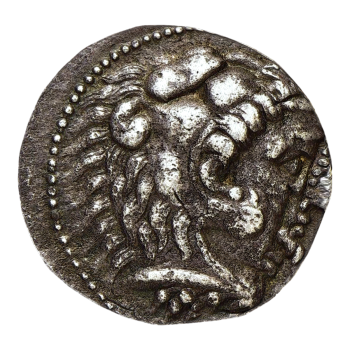
The currency of the classical period in ancient Greece, the drachma silver coin
The obverse of this coin features the portrait of a young Hercules wearing a lion skin helmet. Hercules is a hero in Greek mythology known for his strength and courage. On this coin, he is depicted as a young man wearing lion skin, which is his emblem. Coins are made of silver. In ancient times, the ten drachma was the most commonly used large denomination coin, usually made of silver. The weight of the coin is about 17 grams and the diameter is about 24 millimeters.

The Ten Drachma Silver Coin, a currency from the classical period of ancient Greece
The obverse of this coin features the portrait of a young Hercules wearing a lion skin helmet. Hercules is a hero in Greek mythology known for his strength and courage. On this coin, he is depicted as a young man wearing lion skin, which is his emblem. Coins are made of silver. In ancient times, the ten drachma was the most commonly used large denomination coin, usually made of silver. The weight of the coin is about 17 grams and the diameter is about 24 millimeters.

The tetradrachma silver coin, a currency from the classical period of ancient Greece
The obverse of this coin features the portrait of a young Hercules wearing a lion skin helmet. Hercules is a hero in Greek mythology known for his strength and courage. On this coin, he is depicted as a young man wearing lion skin, which is his emblem. Coins are made of silver. In ancient times, the tetradrachma was the most commonly used large denomination coin, usually made of silver. The weight of the coin is about 17 grams and the diameter is about 24 millimeters.

The currency of ancient Greek classical period, Alexander the Great silver tetradrachma
Alexander the Great's silver tetradrachm coin was made between 325 BC and 320 BC. Coins were minted in Side (now Türkiye). The obverse of this coin features the portrait of a young Hercules wearing a lion skin helmet. Hercules is a hero in Greek mythology known for his strength and courage. On this coin, he is depicted as a young man wearing lion skin, which is his emblem. Coins are made of silver. In ancient times, the tetradrachma was the most commonly used large denomination coin, usually made of silver. The weight of the coin is about 17 grams and the diameter is about 24 millimeters.
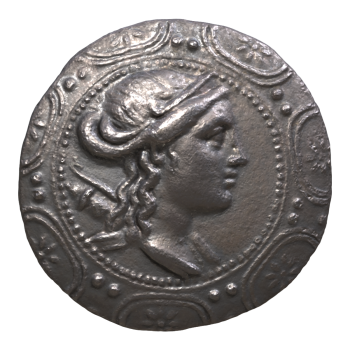
Ancient Greek Macedonian Period Currency Macedonian Shield Silver Coin (Four Drachmas)
It is a silver Macedonian shield with the head of Artemis (obverse) and a stick (reverse), minted around 158-150 BC. This silver coin was minted in the city of Amphipolis in Macedonia under Roman control. The silver coin has a diameter of 3.3cm. Artemis is a hunting goddess in Greek mythology, and her image is embedded in a delicate Macedonian shield. On the reverse side is a stick, surrounded by a wreath and surrounded by a line of inscriptions attributing this coin to the first area of the Roman vassal state. This Macedonian shield silver coin is in the collection of the Minneapolis Museum of Art.

Popular Models
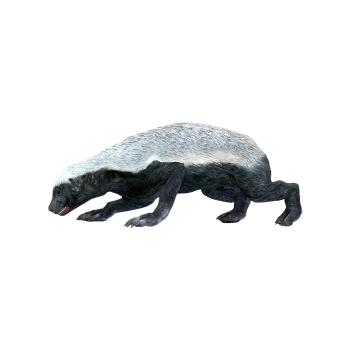
Honey Badger (3D animated model)
192 View
Guinea fowl (3D animated model)
163 View
Wild Goose (3D animated model)
185 View
Red Fox (3D animated model)
153 View
Random Model

BMW
642 View

Fragrant Fir
854 View


Excavator 3D scanning
807 View

bream
916 View


Modern Style Living Room
408 View

One Egg
470 View

pipeline valve
1071 View